Fatal Risk Intelligence
Predicting Fatal Risk
Before It Happens
Traditional safety systems record what has already happened.
Fatal Risk Intelligence continuously understands how changing operational conditions interact, identifies emerging exposure before incidents occur, and provides the operational understanding needed to intervene while outcomes can still be changed.
Understanding The Conditions That Create Fatal Risk
Near misses, injuries and fatalities remain the greatest challenges faced by high-risk industries.
While each risk is different, they all share one common pattern, they are influenced by environment and operational activities.
By understanding the underlying critical risk factors together, organisations gain the operational insight needed to reduce exposure, improve decision-making and move towards a Zero Harm future.

Vehicle Interaction

Working At Height

Hazardous Atmospheres

Fire & Explosion

Fatigue

Emergency Response
iottag continuously analyses how people, vehicles, equipment, environmental conditions and operational activities interact
to reveal the invisible risks that require attention before serious incidents occur.
How Fatal Risk
Intelligence Works
Fatal risks rarely develop because of a single event.
They emerge as operational conditions interact over time.
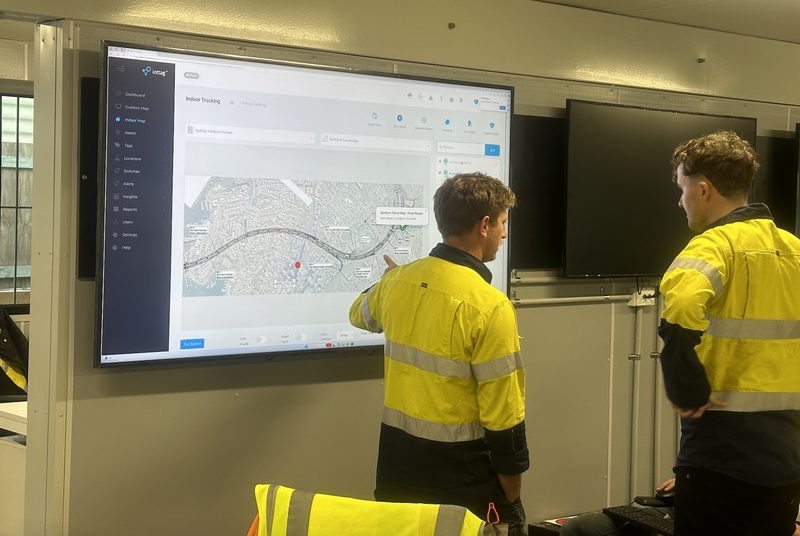
The Atlas Platform continuously connects information from workforce activity, vehicle movements, operational equipment, environmental monitoring and production systems to understand how those interactions influence exposure across the operation.
Rather than analysing each system independently, Atlas creates a live operational understanding that reveals where attention is required before incidents occur.

 People
 Vehicles
 Equipment
 Material
 Environment
 Production
Atlas Intelligence Platform
Continuously understands how changing conditions interact
Fatal Risk Intelligence
 Earlier Intervention
Understanding Exposure
Before Incidents Occur

Traditional safety systems
focus on single events

Fatal Risk Intelligence focuses on exposure.
Rather than waiting for an unsafe event to occur, the Atlas Platform continuously analyses operational conditions across the entire operation, identifying where fatal risks are developing and providing the understanding required for earlier intervention.
This allows organisations to move beyond reactive safety management towards continuous operational risk understanding.
See Risk Before It Becomes Fatal
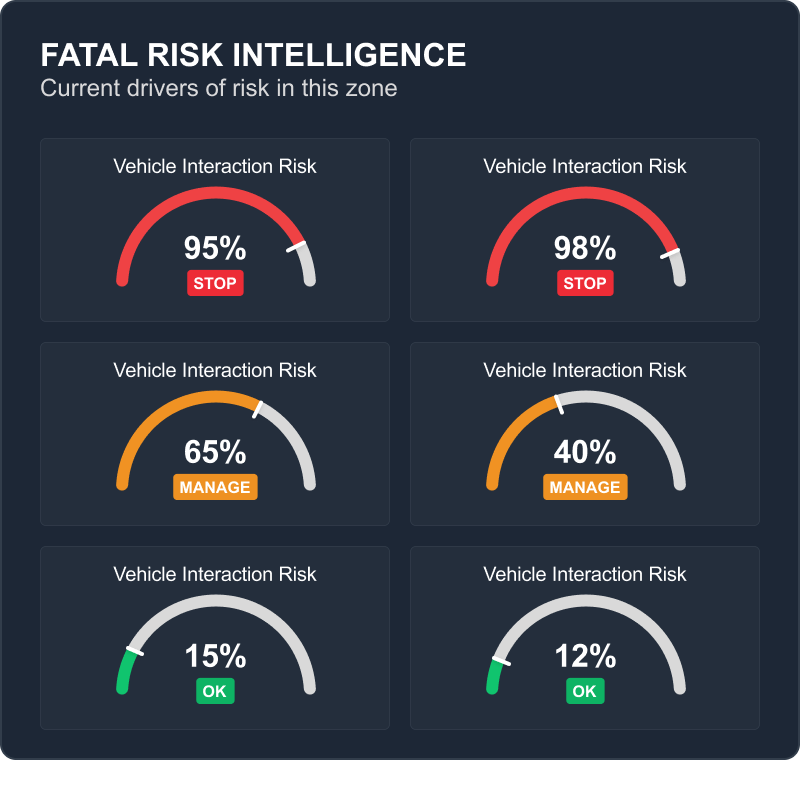
Fatal Risk Intelligence continuously analyses operational trends and emerging patterns to identify risks before they become incidents. As conditions change, the system generates real-time STOP WORKS or INVESTIGATE actions, guiding supervisors toward the risk zones that require immediate attention or further review based on their urgency and potential impact.
Rather than simply reporting alarms, iottag informs safety teams of emerging risk, intervene earlier and resolve hazards before they escalate, providing the operational insight needed to stay ahead of changing conditions and make time critical decisions.
The Fatal Risk Dashboard
The Atlas Platform continuously connects information from workforce activity, vehicle movements, operational equipment, environmental monitoring and production systems to understand how those interactions influence exposure across the operation.
Features:
- Live operational map
- Exposure indicators
- Risk drivers
- AI pattern recognition
- Recommended interventions
- Operational alerts
- Incident context
- Workforce status
- Vehicle status
- Environmental monitoring
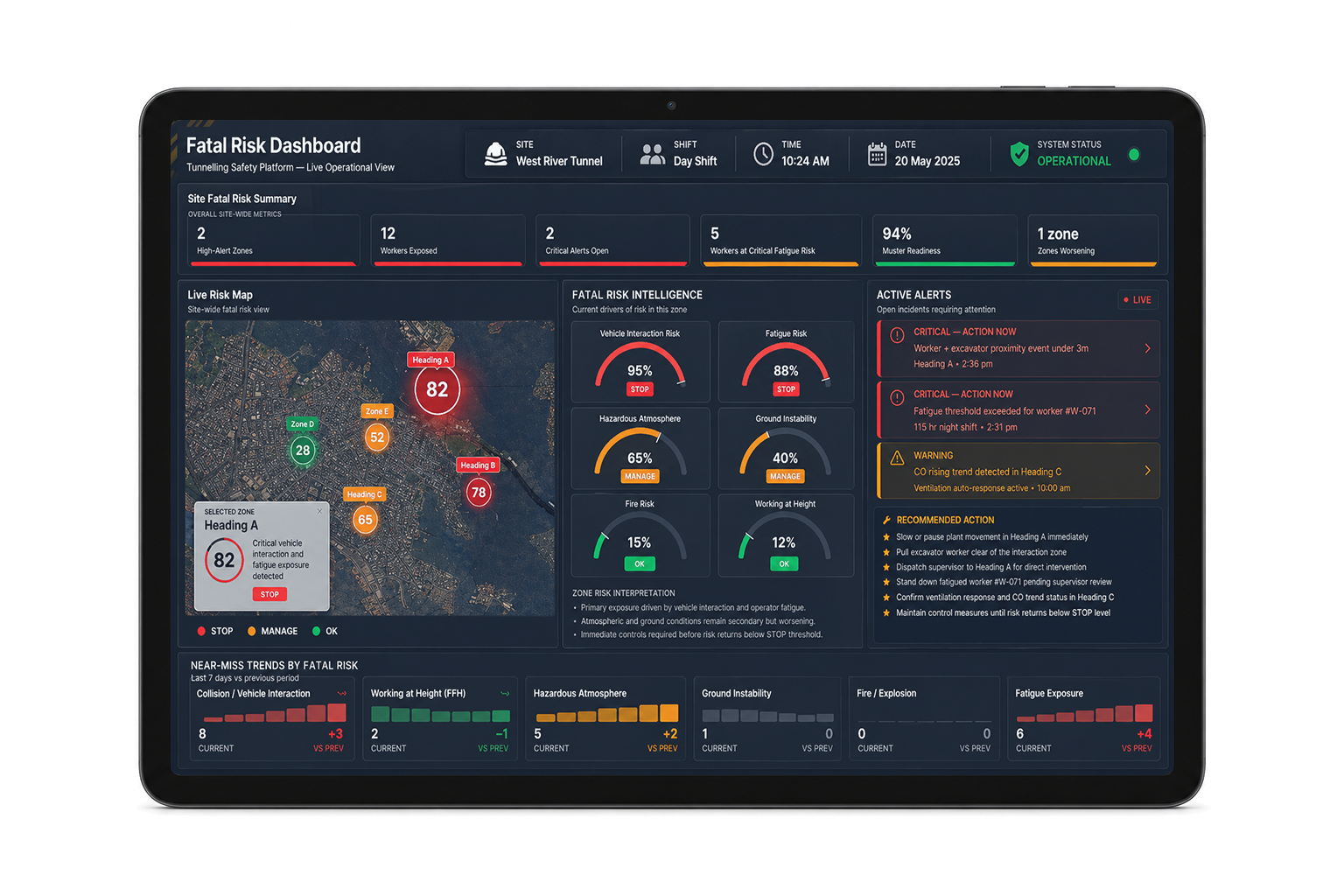
Understanding Why Exposure Is Increasing
Fatal Risk Intelligence Is Built On Operational Understanding
Fatal risks rarely develop because of a single event. They emerge as operational conditions interact over time.

Example
Instead of saying “High Vehicle Risk”

Atlas Explains
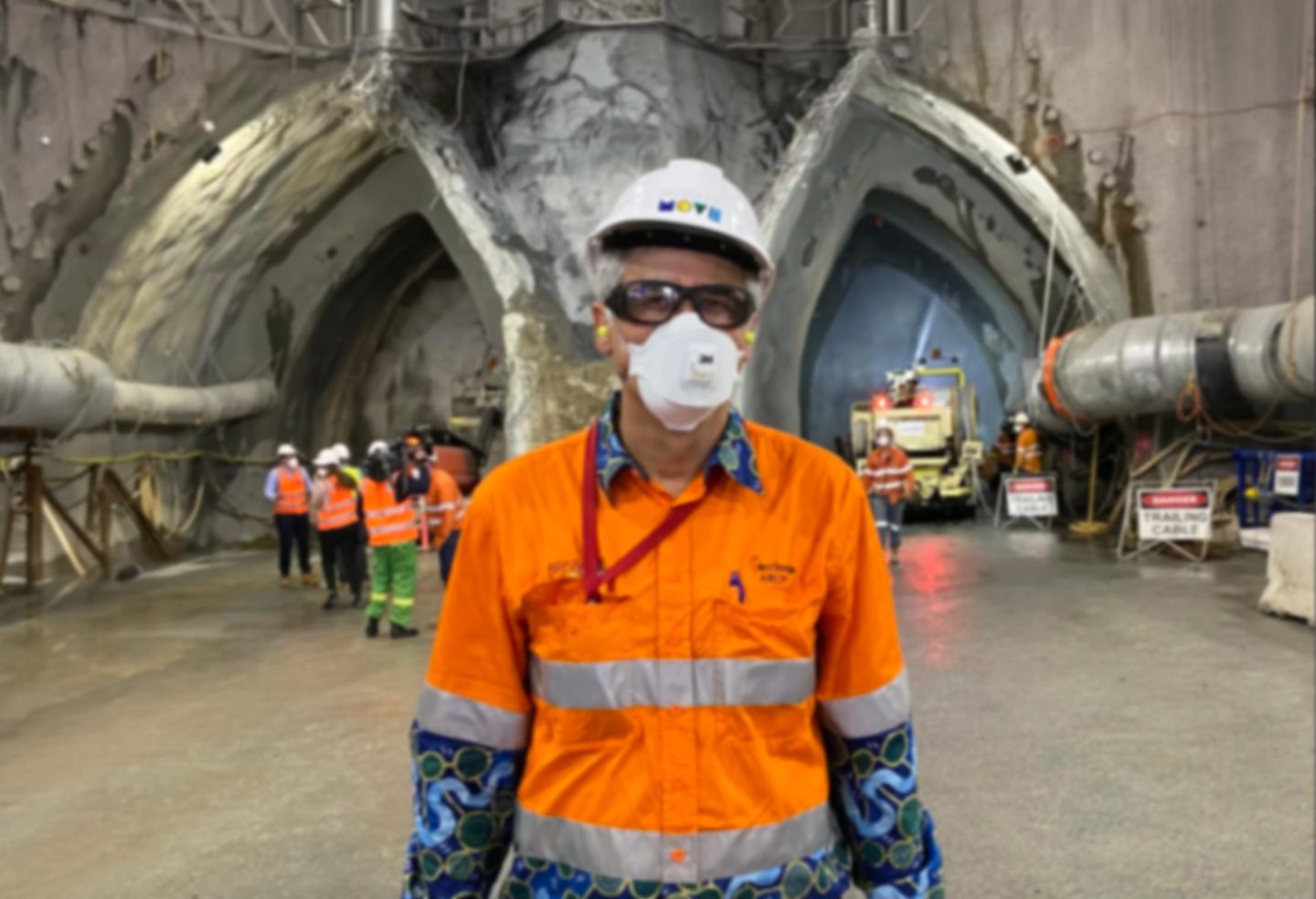
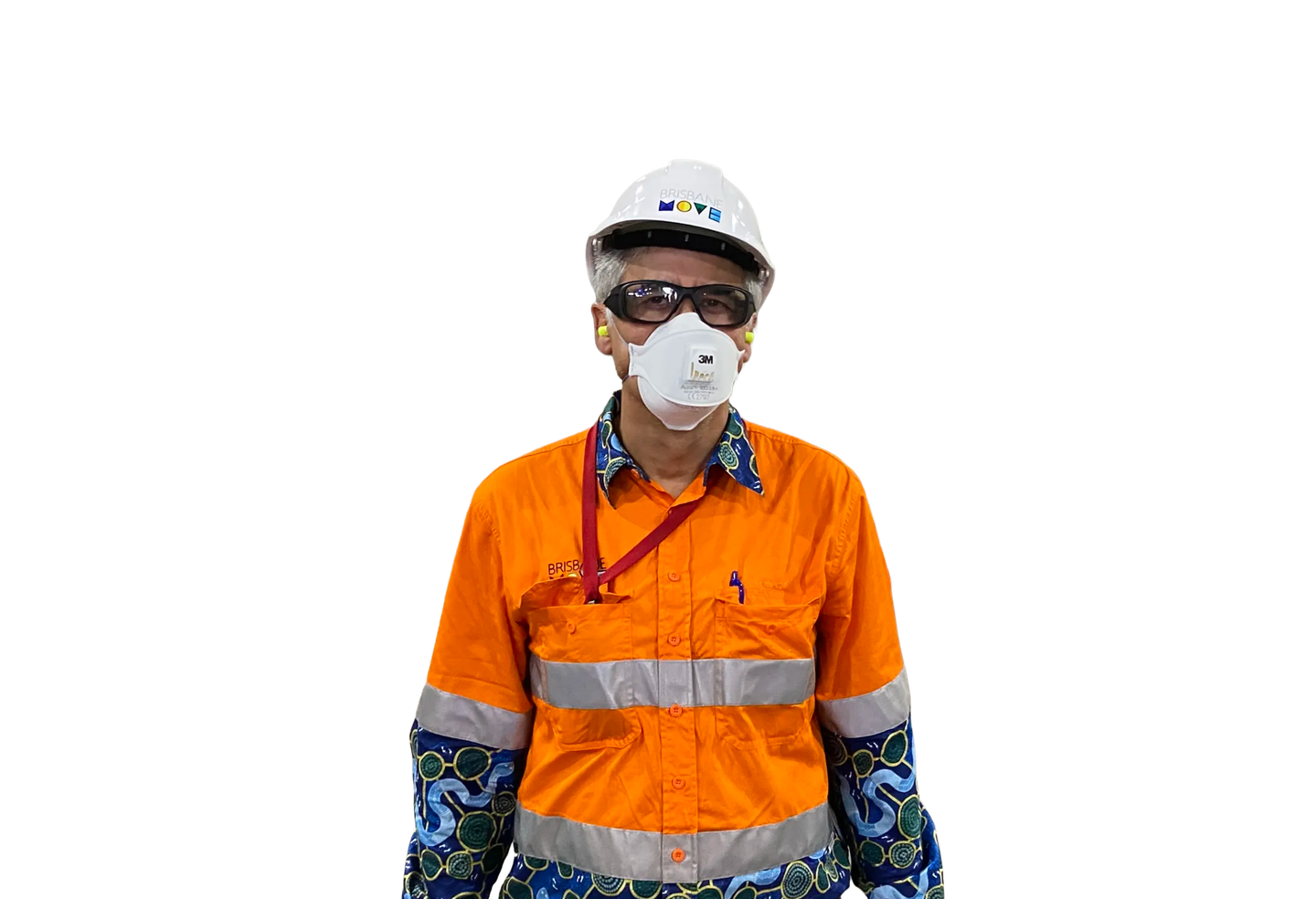
Vehicle exposure has increased because heavy vehicle movements have increased by 38%, visibility has reduced due to dust generation, two maintenance activities are occurring simultaneously and pedestrian traffic has increased during shift change.


That is operational understanding
Why Safety Manager Choose Fatal Risk Intelligence
 Understands exposureLive operational understandingContinuous monitoringConnected operational intelligenceEarlier interventionDynamic risk modellingOperational decision support
Turn Complex Conditions Into Clear Decisions
Modern operations generate thousands of events, alerts and changing conditions every day. The challenge is identifying which developments matter, how they are connected and where intervention is required.
Atlas evaluates information across people, equipment, environmental conditions, production activity and site systems to create a concise view of the issue and its likely operational significance.
Rather than presenting decision-makers with a collection of disconnected alerts, Atlas helps explain what has changed, why it matters, which areas are affected, what conditions are contributing and where action should be focused.
This allows operators, supervisors, managers and executives to assess developing situations more quickly, apply specialist knowledge more effectively and coordinate action with greater confidence.
 What is happening?
 Why does it matter?
 Who and what may be affected?
 What conditions are contributing?
 Where should attention be focused?
This helps operational teams, supervisors, management and executive stakeholders quickly understand changing conditions without requiring specialist interpretation.
Example Intelligence Summary
Ventilation Failure — Zone 4
- The primary ventilation system in Zone 4 has stopped operating.
- Airflow has reduced across the affected area.
- Environmental sensors indicate increasing temperature and gas concentrations downstream.
- Twenty-three personnel remain within connected work areas.
- Vehicle activity is continuing through adjacent haul routes.
- Current conditions indicate increasing workforce exposure and potential production disruption if ventilation is not restored.
Recommended Response
- Dispatch maintenance personnel to inspect the ventilation system.
- Notify supervisors responsible for Zone 4 and connected downstream areas.
- Review current workforce locations and adjust deployment where required.
- Restrict access to affected areas until environmental conditions stabilise.
- Monitor gas, temperature and airflow conditions during the response.
- Escalate the event if environmental thresholds continue to deteriorate.
Operational Outcomes

Earlier Intervention
Identify escalating exposure before incidents occur.

Faster Emergency Coordination
Improve personnel visibility and response readiness.

Stronger Operational Visibility
Unified awareness across workers, plant and environment.

Measurable Risk Trends
Track recurring exposure patterns and hotspot activity.

Reduced Operational Blind Spots
Connect fragmented systems into one live operational view.

Improved Control Verification
Validate critical controls in real operational conditions.
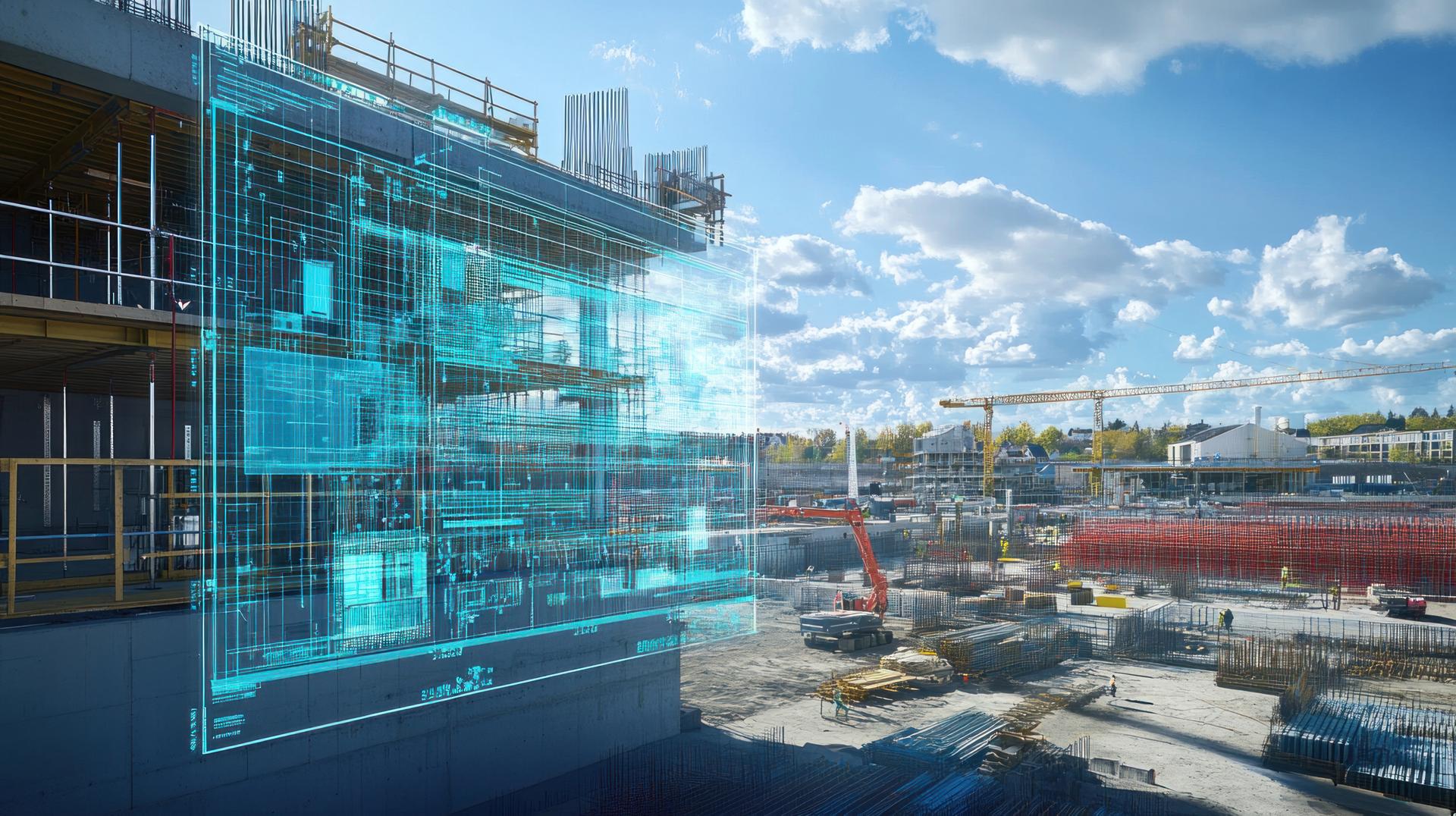
Understand Exposure Before Incidents Occur
Every operation generates thousands of changing conditions every minute.
The organisations that understand how those conditions interact make better operational decisions, intervene earlier and create safer, more efficient operations.