
Operational Intelligence
Each System Sees Something.
Atlas Sees the Whole Operation.
Modern operations rely on dozens of specialised systems, each providing only part of the operational picture. Atlas brings this information together to help teams understand what is happening, identify emerging risks and act with confidence.
Every System Contributes Part Of The Picture
Operations already rely on specialised systems to monitor people, vehicles, assets, environmental conditions and production activity.
Each system answers a specific operational question. Workforce systems show who is onsite and where they are located.
Fleet systems monitor vehicle movement and traffic conditions. Asset platforms track equipment performance, while environmental and production systems report on changing site conditions and operational output.
Individually, these systems provide valuable visibility. The challenge is that their information is often viewed separately, making it difficult to understand how changes in one area may affect another.
Atlas brings these information sources together so teams can assess the operation as a connected whole rather than as a collection of isolated systems.
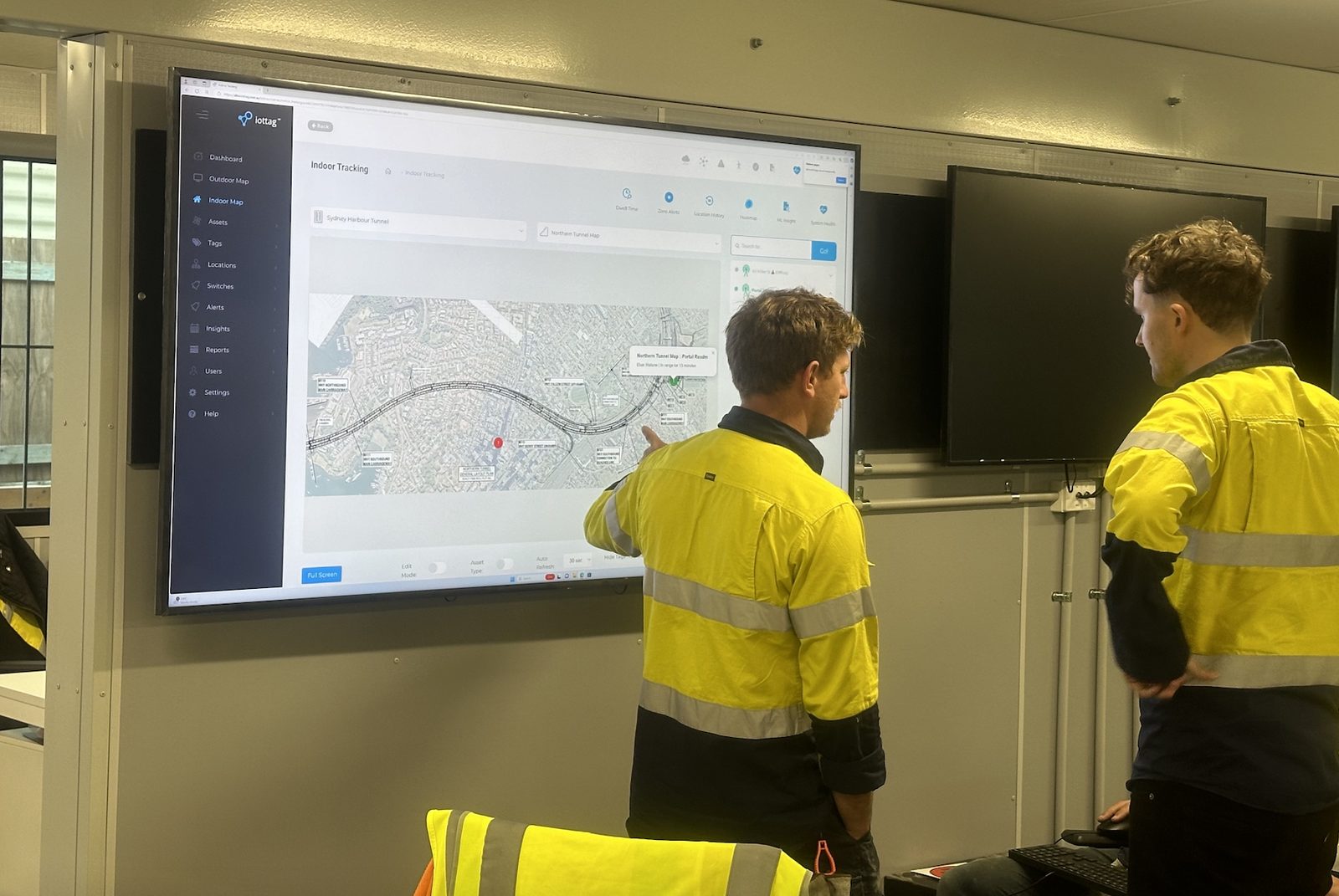
 One Connected View
Workforce Visibility
Understand who is onsite, where people are located, how workforce activity is changing and whether personnel are entering areas of increased operational exposure.
Fleet And Mobile Equipment
Monitor vehicle movement, traffic interactions, route activity, congestion and the influence of fleet behaviour on safety and production performance.
Assets And Infrastructure
Maintain visibility across equipment, fixed infrastructure, tools and critical assets, including their status, condition, utilisation and relationship to wider operational activity.
Environmental Conditions
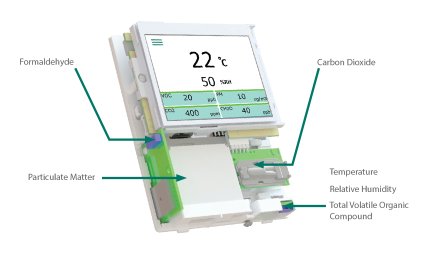
Monitor atmospheric conditions, gases, dust, temperature, humidity, noise, weather and other environmental factors that may influence safety or site performance.
Production Activity
Understand the operational conditions influencing schedules, throughput, resource movement, bottlenecks and overall production performance.
Explore Every Dimension Of The Operation
A single operational picture can be viewed through the priorities, systems and risks that matter most to each team.
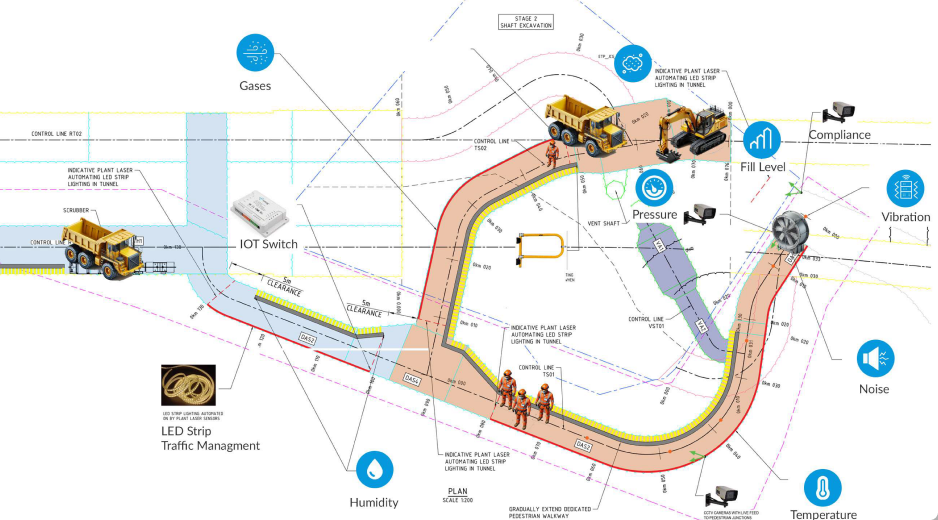
Atlas organises information from across the site into a connected operational environment. Teams can move between workforce, fleet, equipment, environmental, production, safety and automation views while retaining the context of the wider operation.
This makes it possible to investigate a specific operational area without losing sight of the people, assets, conditions and dependencies surrounding it. Instead of moving between disconnected platforms, teams can explore how each part of the operation contributes to safety, productivity, reliability and performance. The result is not simply more data in one place.
It is a structured way to examine the operation from multiple perspectives while maintaining one consistent source of operational truth.
Operational Intelligence Explorer
Roll-over to discover system capabilities
- High Precision Positioning
- Emergency Evacuation
- Digital Tagboard
- Muster Management
- Restricted Zones
- Geofencing
- Occupancy Monitoring
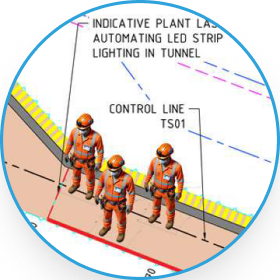
- Lone Worker Protection
- Visitor Management
- Shift Attendance
- Fatigue Monitoring
- Heatstress Monitoring
- PPE Compliance
- Time on Task
- SOS & Duress Alerts
- Fall & Impact Detection
- Improve Workforce Safety
- Faster Emergency Response
- Better Workforce Visibility
- Reduce Exposure to Risk
- Improve Compliance
- Increase Productivity
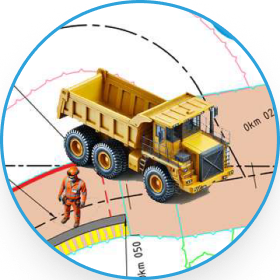
- Vehicle Tracking
- Fleet Utilisation
- Traffic Management
- Collision Avoidance
- Speed Monitoring
- Route Management
- Cycle Time Analysis
- Queue Detection
- Idle Time Monitoring
- Driver Behaviour
- Fuel Consumption
- Diesel Particulate Monitoring
- One-Way Traffic Enforcement
- Vehicle Health
- Equipment Availability
- Dispatch Optimisation
- Reduce Fleet Downtime
- Improve Traffic Flow
- Lower Fuel Consumption
- Increase Equipment Utilisation
- Improve Productivity
- Reduce Operating Costs
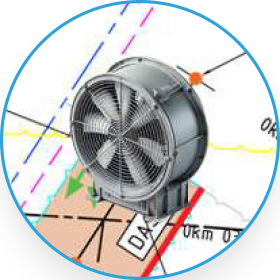
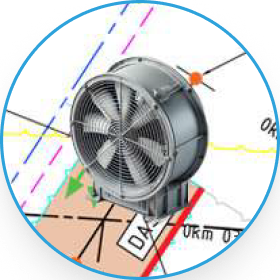
- Fan Monitoring
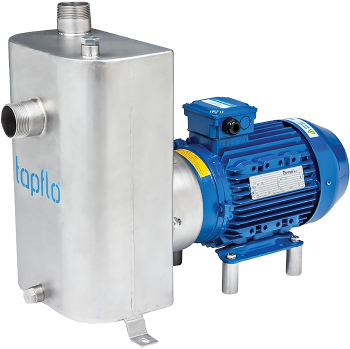
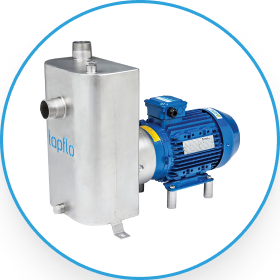
- Pump Monitoring
- Conveyor Monitoring
- Crusher Monitoring
- Temperature Monitoring
- Vibration Analysis
- Runtime Monitoring
- Condition Monitoring
- Performance Monitoring
- Predictive Maintenance
- Reduce Unplanned Downtime
- Improve Equipment Availability
- Reduce Unplanned Downtime
- Extend Asset Life
- Reduce Maintenance Costs
- Improve Equipment Availability
- Infrastructure Monitoring
- Fixed Asset Tracking
- Tool Tracking
- Inventory Management
- Materials Tracking
- Laydown Yard Management
- Asset Utilisation
- Asset Availability
- Asset Lifecycle
- Digital Inspections
- Maintenance Checks
- Maximise Asset Utilisation
- Improve Asset Visibility
- Reduce Asset Loss
- Improve Planning
- Reduce Capital Spend
- Improve Lifecycle Management
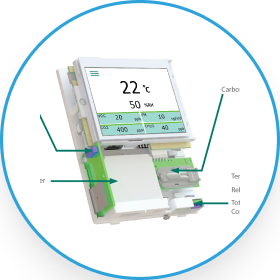
- Ventilation Monitoring
- Air Velocity
- Air Flow
- Differential Pressure
- Air Quality
- Oxygen
- Carbon Monoxide
- Carbon Dioxide
- Nitrogen Dioxide
- Methane
- Hydrogen Sulphide
- Particulate Matter (PM)
- Diesel Particulate Matter (DPM)
- Dust Monitoring
- Temperature
- Humidity
- Noise Monitoring
- Vibration & Geo Analysis
- Water Monitoring
- Weather Monitoring
- Improve Air Quality
- Reduce Worker Exposure
- Optimise Ventilation
- Meet Environmental Compliance
- Reduce Energy Consumption
- Variable Control Ventilation
- Ventilation on Demand
- Power Consumption
- Equipment Energy Usage
- Carbon Emissions
- Utility Monitoring
- Energy Forecasting
- Reduce Energy Costs
- Lower Carbon Emissions
- Improve Sustainability
- Optimise Infrastructure
- Support ESG Objectives
- Automated Alerts
- AI Recommendations
- SMS Notifications
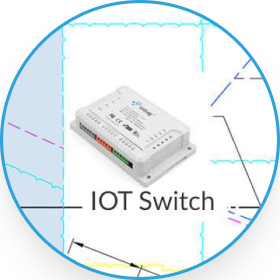
- Workflow Automation
- Traffic Light Control
- Gate Automation
- Warning Systems
- Emergency Broadcasts
- Equipment Shutdown
- Access Control
- Respond Faster
- Improve Operational Consistency
- Reduce Manual Intervention
- Increase Automation
- Improve Operational Control
- Operational Digital Twin
- Live Dashboards
- Executive Reporting
- KPI Monitoring
- Predictive Analytics
- Operational Benchmarking
- Capacity Planning
- Operational Forecasting
- AI Insights
- Trend Analysis
- Root Cause Analysis
- Scenario Modelling
- Decision Support
- Better Business Decisions
- Continuous Improvement
- Improve Strategic Planning
- Reduce Operating Costs
Understand How One Change Affects The Wider Operation
Operational events rarely occur in isolation. A change in one system can influence people, equipment, environmental conditions, production and risk.
Traditional monitoring systems typically report each event separately: a fan has stopped, airflow has reduced, temperature has increased or gas levels have changed. Each alert may be accurate, but none explains the full operational consequence on its own.
Atlas analyses these events in context. It connects the initial condition with the systems, areas and people that may be affected, helping teams understand how an operational issue is developing across the site.
This allows decision-makers to move beyond isolated alarms and assess the wider cause, consequence and potential exposure before the situation becomes more difficult to control.
 Initial Event
Ventilation fan failure
 Immediate Effect
Airflow is reduced
 Environmental Change
Temperature Increased
 Risk Condition
Gas concentration rises
 Workforce Exposure
Personnel remain downstream
 Operational Consequence
Exposure and disruption increase
Connected Insight
Atlas does not simply report individual events. It reveals how changing conditions influence the wider operation, helping teams assess risk, coordinate a response and act before impacts escalate.
One Source Of Intelligence.
Better Decisions At Every Level.
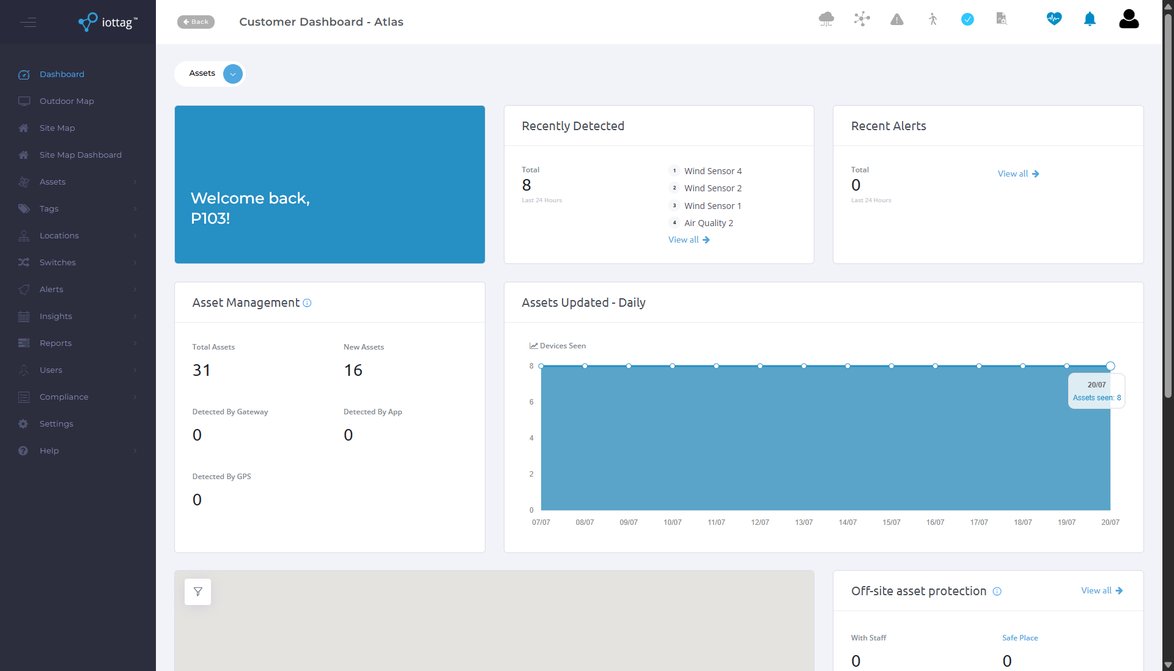
Atlas creates a consistent foundation for decision-making across the organisation while presenting each team with the information, priorities and level of detail relevant to its role.
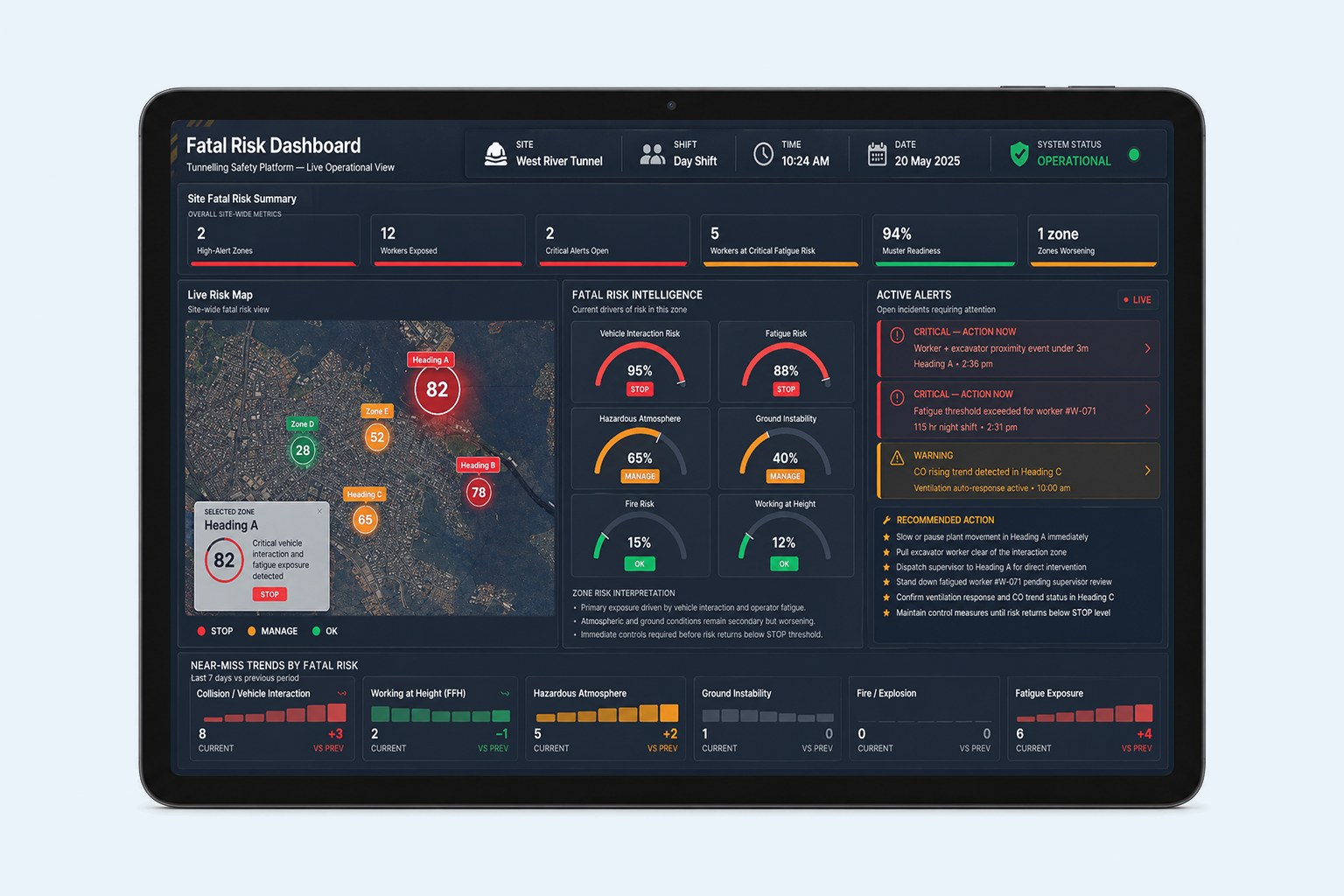
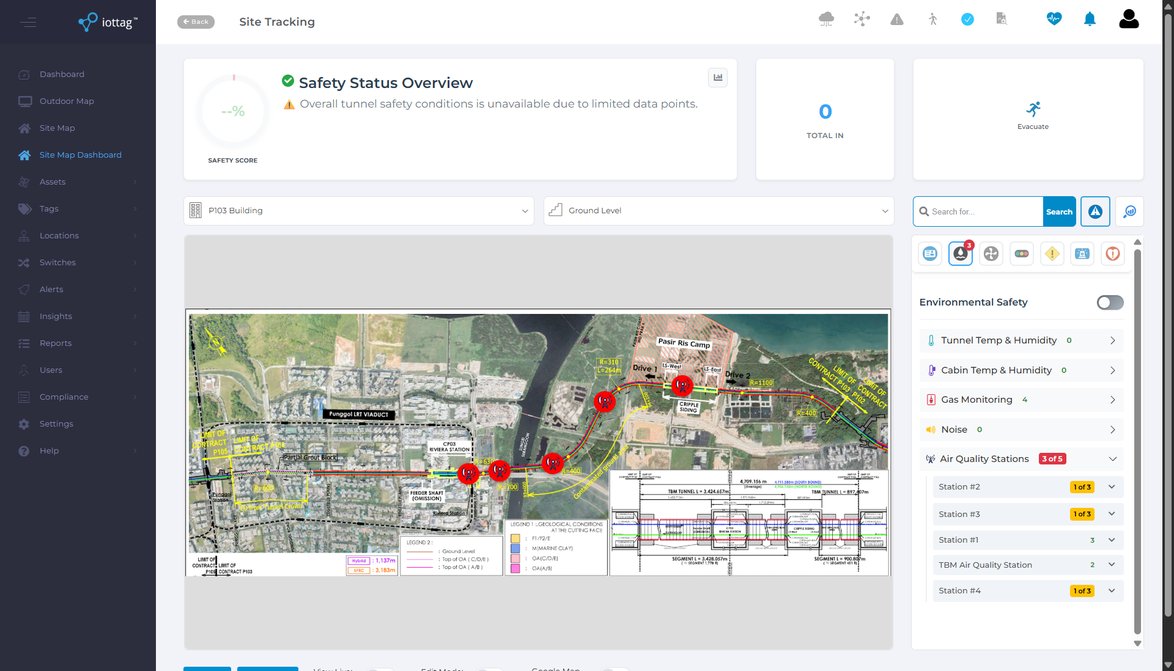
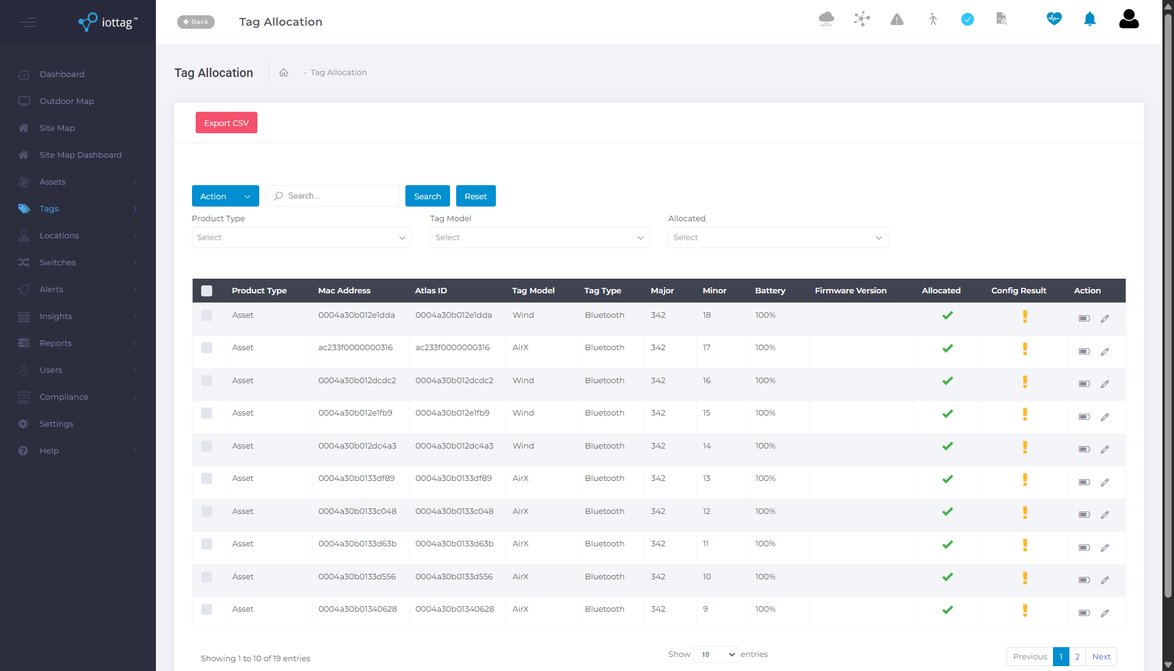
Frontline teams need immediate visibility of active conditions and emerging risks. Supervisors need to coordinate people, equipment and work areas. Managers need to understand performance, exceptions and developing constraints. Executives and asset owners require a broader view of risk, production, reliability and portfolio performance.
Atlas supports each of these requirements through role-relevant dashboards and operational summaries built from the same connected information. This helps reduce conflicting interpretations, improves coordination between teams and creates greater confidence in decisions made across the organisation.

Operations
Immediate Situational Awareness
See active conditions, alerts, workforce locations, equipment activity and site priorities relevant to the current shift.

Supervisors
Coordinated Operational Response
Understand how changing conditions affect people, equipment and work areas so activities and resources can be coordinated effectively.

Managers
Performance and Exception Management
Identify emerging risks, production constraints, operational deviations and performance trends requiring management attention.
Executives
Enterprise and Portfolio Oversight
Maintain visibility across operational performance, material risks, major events and business priorities across one or multiple sites.

Asset Owner
Risk, Reliability and Long-Term Value
Understand asset health, utilisation, operational exposure and the conditions influencing long-term performance and investment decisions.
See Your Entire Operation More Clearly
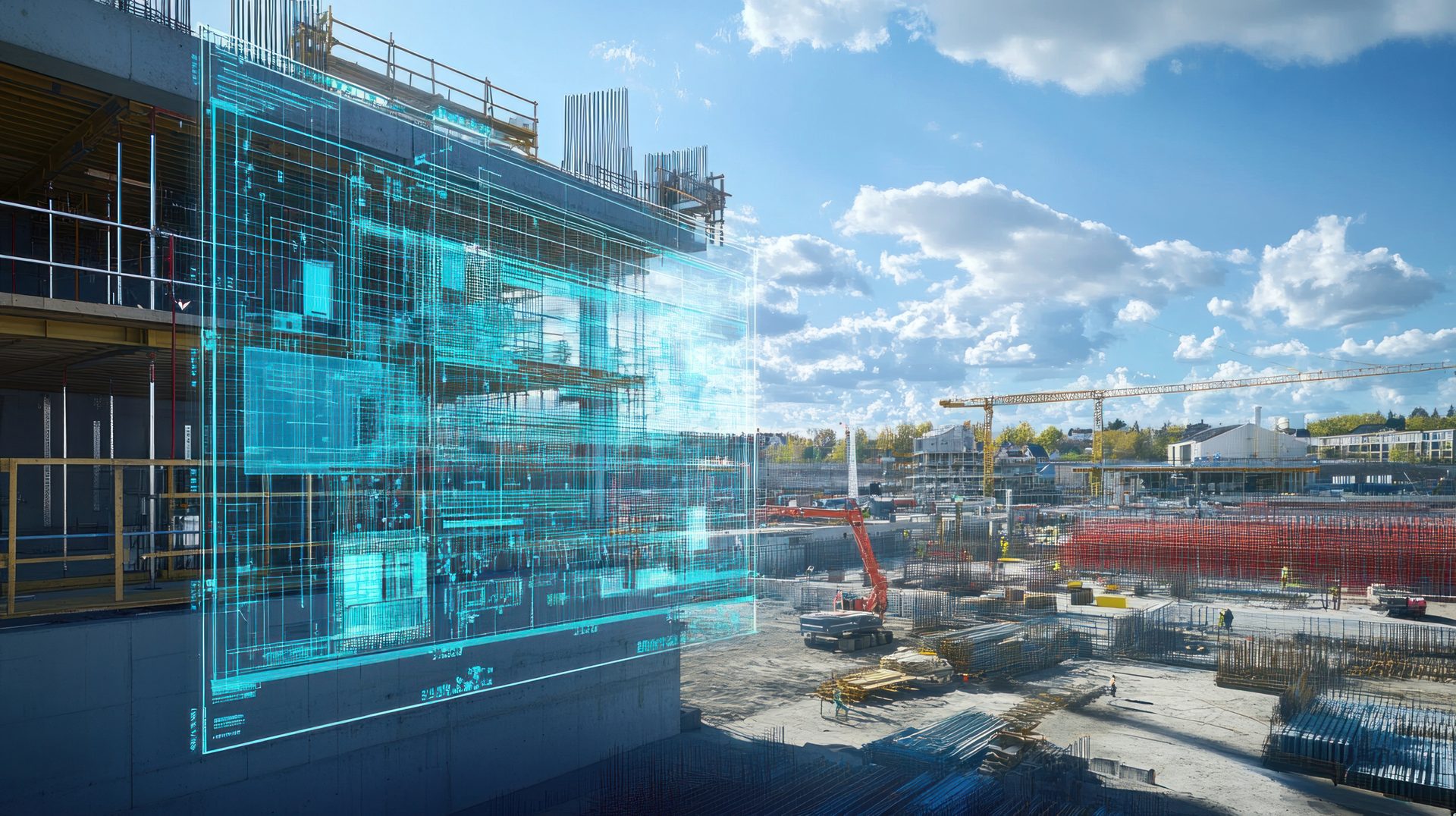
Better decisions begin with a complete understanding of what is happening across people, equipment, assets, environmental conditions and production.
Discover how Atlas brings operational information together, reveals the relationships that matter and helps teams identify risks, coordinate action and make better decisions across the organisation.